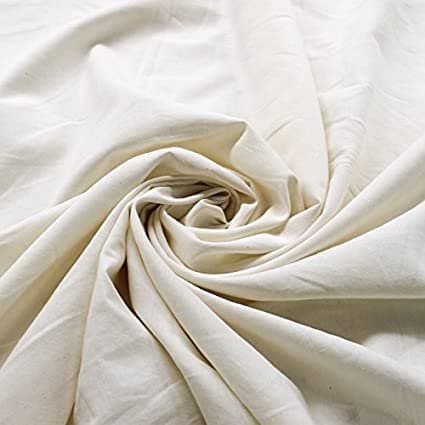
Fabric is made of fibres that are collected from the source, spun into threads and then they are woven or knit into fabrics. If we write down all of the various types of fabrics available on the market, we can split them into two groups on a wide scale. One is made of natural fibres, while the other is made of synthetic fibres.
Natural fibres are produced from plants or animals. Jute, linen and cotton are three of the most common plant based fibres. Leather and silk are examples of animal fibres. They are of a natural hue. If colouring is required, dying is a simple process.
Whereas, Synthetic fibres are man-made fibres produced with inorganic chemicals. Acrylic, nylon, and polyester are examples of synthetic fibres. Colours may be added to the mix as required.
In this blog, we are discussing about choosing between natural fibre and synthetic fibre. Let’s have some point and watch some characteristics from both sides which can help our reader to decide.
- Natural fibers are easily breathable and provide proper insulation. Synthetic fibers have poor insulation as the mono-fibers do not have air pockets that will trap air like cotton and other natural fibers. So wearing natural fiber in keeps the human body cool or warn as per weather.
- Natural fibers are very comfortable and skin-friendly. Whereas, synthetic fibres can cause allergic reactions in some people. Textile dermatitis is a skin reaction caused by contact with synthetic fibres that causes redness, itching, and inflammation. This is not a healthy point at all.
- Synthetic fibres are not biodegradable. It’s a very major backdrop for synthetic fibers. Clothing made of synthetic materials like polyester and nylon leads to microplastic waste, which can end up in the ocean and in human-eating seafood. Petroleum-based synthetic fibers take a long time to decompose which causes long-term emissions. Like, nylon is difficult to recycle, making it difficult to decompose and causing landfills to fill up faster. Synthetic fibers cause microplastic pollution when washed.
- Synthetic fibre made clothes stick to the body when it is hot and sweaty as it doesn’t absorb moisture. But Natural fiber like cotton has a great absorb rate which gives you instant relief from heat and sweat.
- Synthetic fibres burn more quickly than natural fibres, posing a fire hazard near heat sources or fireplace fires.
- Synthetic fibers melt easily. It's vulnerable to being affected by heat.
- Synthetic fibres have the drawback of being hydrophobic. This affects fibre production since the surfaces are difficult to wet. Hydrophobic content prevents water from entering the fabric's pores, making processes like dying difficult. But, in wet weather or wet condition, cotton fibres are thirty percent stronger. As a result, cotton garments can be washed often; dries very quickly than synthetic material and reused for a long time.
As you can see, natural fabrics have many advantages over synthetic fabrics, resulting in a win-win scenario. In addition to the environmental impact, the decision is based on a few simple factors. You'll be able to quickly understand the variations in the characteristics of the options and make an educated decision based on your skin sensitivity and personal preference for clothing comfort.